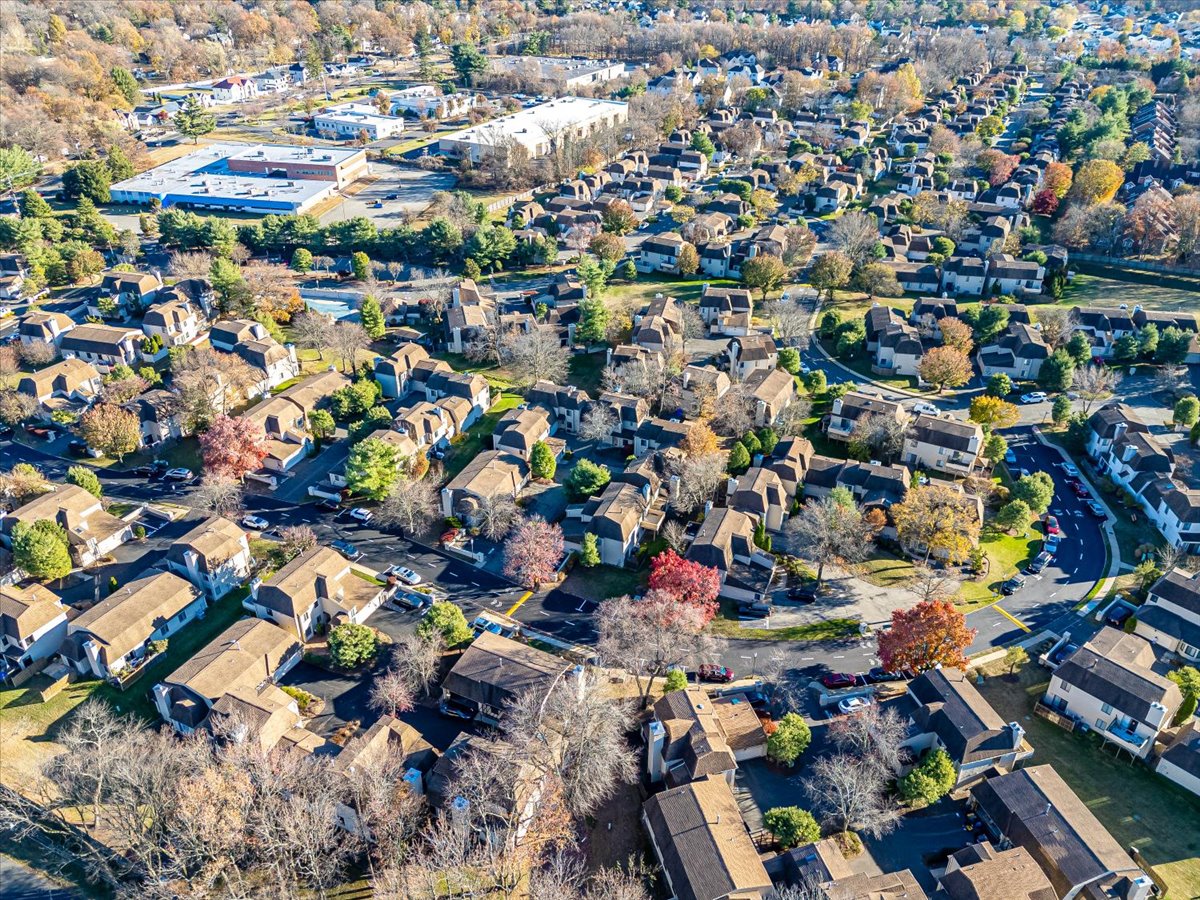
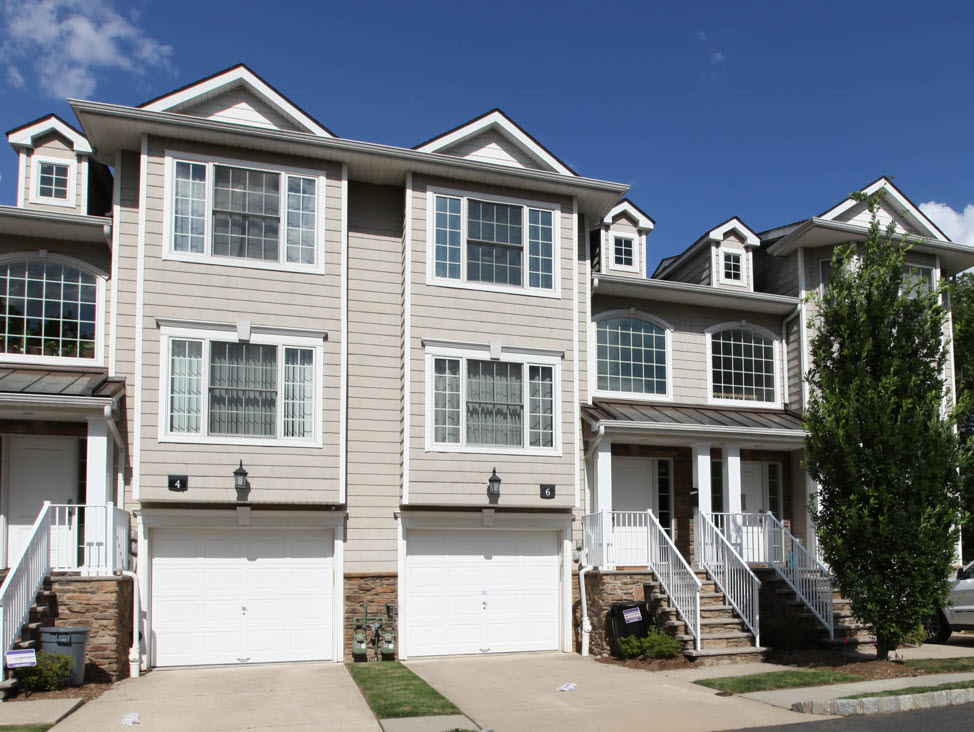
As of today, there are approximately 10 three-bedroom townhomes available in North Edison NJ (08820).
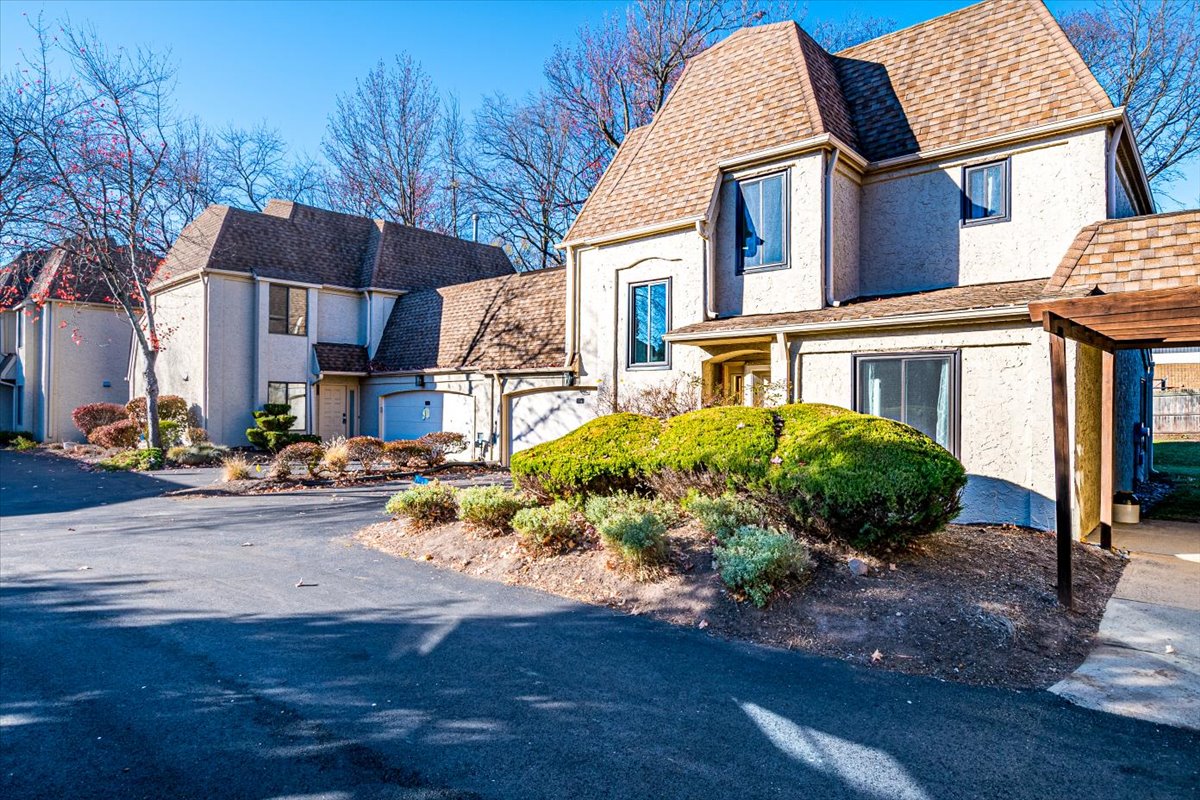
Two properties that may attract buyers looking for value in today’s market are 1701 Deerfield Drive and 21 Carriage Place.
Both offer 3 bedrooms and approximately 1,500 square feet of living space.
21 Carriage Place is currently on the market and offers updated interior features, a fenced outdoor area with deck, a two-car garage, and community amenities including a pool, playground, and tennis courts. The asking price is $638,999, with HOA fees of approximately $440 per month.
1701 Deerfield Drive is scheduled to begin showings on June 19. It is priced at $620,000 and includes a finished basement, with HOA fees of approximately $346 per month.
The comparison highlights an interesting question many buyers face: Is it more important to have additional living space in the form of a finished basement, or community amenities and a two-car garage?
There is no right answer—different buyers will place value on different features. That’s what makes real estate interesting.
It will be interesting to see how buyers respond to these two homes in the coming days.
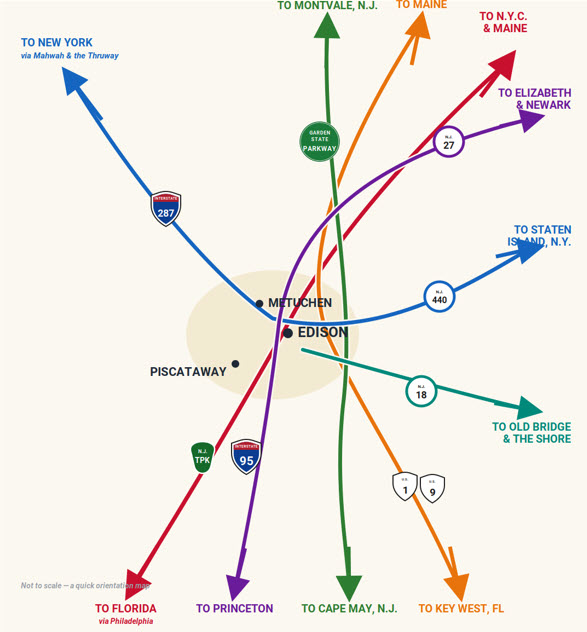
Central Jersey can feel like a tangle of highways and route numbers the first time you drive it — “wait, is that Route 1 or I-95, and which way is north?” Good news: you really only need to know six roads to find your footing. Here’s the quick cheat sheet — where each one fits in the big picture, and where it runs through our area.
🔴 New Jersey Turnpike (I-95)
Picture one road running the entire East Coast, from Florida all the way up to Maine — that’s I-95. The New Jersey Turnpike is I-95 through most of our state. It cuts north–south across NJ from the Delaware border up to the George Washington Bridge into New York City. This is the big, multi-lane toll road you’ll take when you’ve got real distance to cover.
🟢 Garden State Parkway
The Parkway is Jersey’s own north–south highway — no national version, just ours. It runs the full length of the state, from Cape May at the southern tip up to the New York border at Montvale. Think of it as the shore-and-commuter road (and in a lot of stretches, no trucks allowed — just cars).
🔵 Interstate 287
I-287 is the “go around New York City instead of through it” loop. It curves up from the Edison/Perth Amboy area through Somerville and Morristown, then north to Mahwah and into New York. Your friend whenever you want to skip the city traffic.
🟠 Route 1
Here’s the fun parallel: just like I-95, U.S. Route 1 also runs Florida to Maine. But where the Turnpike is a fast toll road, Route 1 is a busy shopping-and-business corridor — strip malls, restaurants, dealerships — rolling through Edison, New Brunswick, and Princeton. Expect traffic lights and jughandles (hang on, we’ll explain those).
🟣 Route 27
Route 27 is the original Main Street — the road that was here before the highways. It strings together the downtowns: Metuchen, Edison, New Brunswick, Rahway. Slower and more local, it roughly shadows Route 1 and the Turnpike.
🟦 Route 18
Route 18 is your connector to the shore. It links the New Brunswick and East Brunswick area down toward Old Bridge and the Jersey Shore points south.
One quick Jersey thing: jughandles
On a lot of these roads, you can’t turn left at the light. Instead you exit to the right onto a little looping ramp — a “jughandle” — that swings you around to cross or turn. It feels backwards for about a week. Then it’s second nature. Welcome to New Jersey!
About Mary Churchill
Mary Churchill has been helping buyers and sellers navigate the Central New Jersey real estate market since 2002. Whether you’re purchasing your first condo, moving up to your next home, or relocating to the area, she believes that informed buyers make better decisions.
If you have questions about condos, financing, or the local market, feel free to reach out.
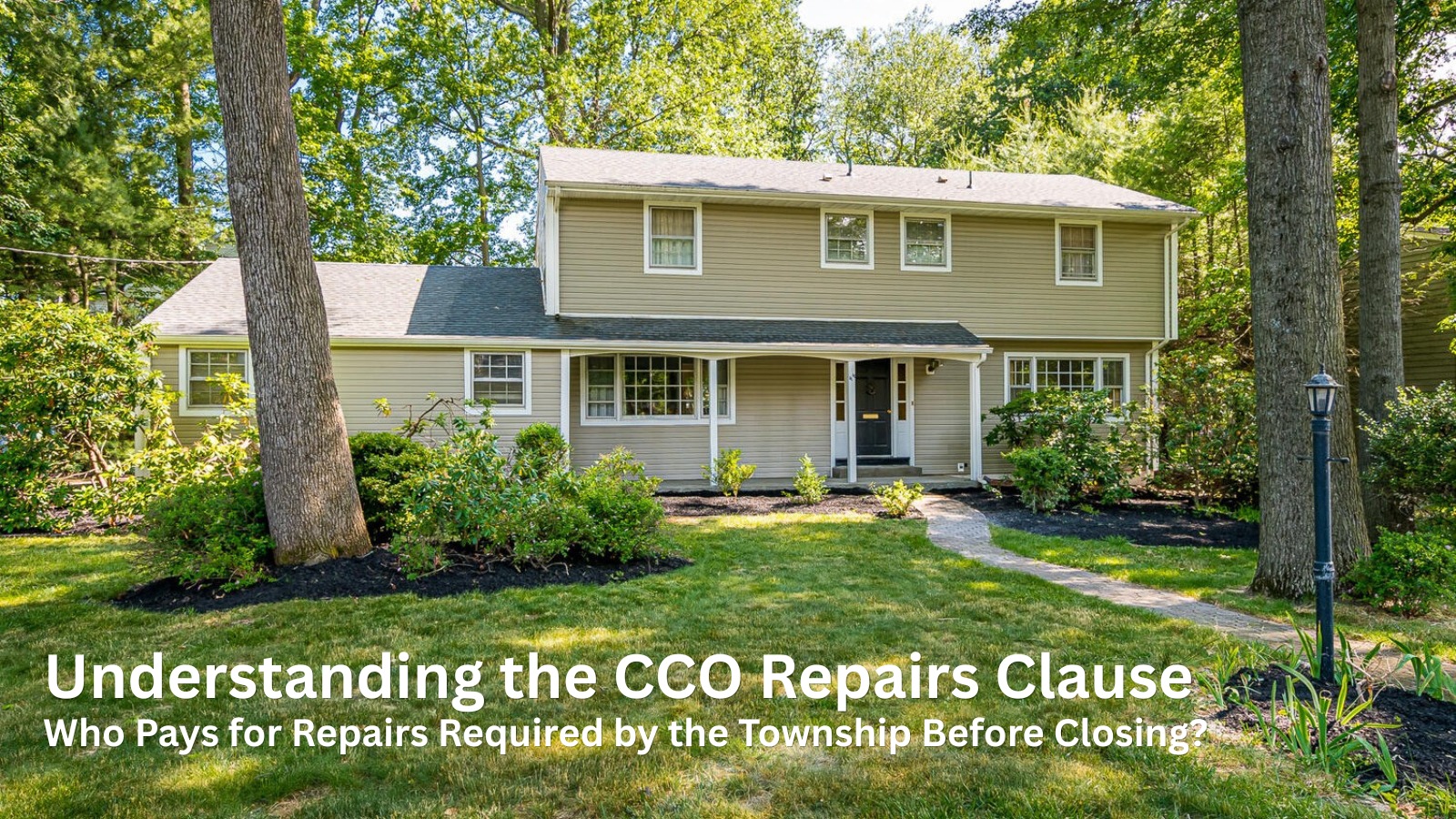
Who pays for CCO repairs in a New Jersey home sale — and the blank space most people skip right past
There’s a single blank line in the Statewide New Jersey Realtors® Standard Form of Real Estate Sales Contract that almost nobody stops to read carefully — and it can quietly decide who pays for repairs you didn’t even know were coming.
It lives in Paragraph 9, the Certificate of Occupancy section. This week it nearly blew up a deal I was working, so I want to walk through what it actually says, in plain English, because I think a lot of agents and buyers sign right over it.
What Paragraph 9 is really doing
Most New Jersey towns require a Certificate of Occupancy (a “CCO” or, in some municipalities, a Housing Code Letter) before a home can change hands. The standard contract starts exactly where you’d expect: the seller is the one who has to obtain that certificate, pay for the municipal inspection, and pay for any repairs the town requires to issue it. Getting the property cleared for transfer is the seller’s job. So far, no surprises.
Then comes the word that does all the work: “However.”
The “however” sentence caps how much the seller can be forced to spend on those required repairs. Once the cost climbs past a certain dollar figure, the seller is no longer locked in — they get the right to walk away and refund the buyer’s deposit. The buyer’s only counter-move is to agree to cover the overage themselves to keep the deal alive.
So the clause isn’t really about cancellation. Cancellation is the tool. The real purpose is cost certainty for the seller — a known ceiling on their repair exposure.
Here’s the part people miss
That dollar figure goes in a blank. And if the blank is left empty, the contract fills it in for you: the cap defaults to 1.5% of the purchase price.
On a $750,000 home, 1.5% is roughly $11,000. That’s the protection a buyer quietly gets when nobody touches the blank — the seller is on the hook for repairs up to about that amount before any escape hatch opens.
Now picture a listing agent asking you to write $500 into that blank instead.
That’s not a small edit. It drops the seller’s repair obligation from around $11,000 down to almost nothing — which means the seller can earn the right to terminate (or push costs onto the buyer) after spending next to zero. The number in that blank is the whole ballgame, and “left blank” is dramatically more buyer-friendly than most buyers realize.
The conversation that started this
This came up for me this week when a listing agent on the other side of a deal pushed hard to put a very low number in that blank — while also insisting the house was perfectly clean with no permit or repair issues.
And that’s the quiet tension worth noticing: if a house genuinely has nothing to repair, the cap never gets triggered, so the number shouldn’t matter to the seller at all. A hard fight for a tiny cap usually means someone wants cheap optionality — the right to walk or renegotiate — more than they’re letting on. Naming that, calmly, changes the whole tone of the negotiation.
The takeaway
You don’t have to become a contract scholar. You just have to read Paragraph 9 and look at the blank.
If it’s empty, the cap is 1.5% of the price by default.
If there’s a number in it, know whose side that number favors before anyone signs.
And remember: whatever goes into a signed contract is real. “We’ll fix it in attorney review” is a hope, not a guarantee — the other side has to agree to change it.
I’m a licensed Realtor, not an attorney, and this is not legal advice — it’s just one of those everyday contract details I think more buyers and agents should have on their radar. For your specific situation, lean on your real estate attorney during attorney review. That’s exactly what that window is for.
Have a Paragraph 9 story of your own? I’d love to hear it.
If you’re shopping for a condominium, you may come across the term “non-warrantable condo.”
The phrase sounds technical and intimidating, but the basic idea is actually quite simple.
A non-warrantable condo is a condominium community that does not meet certain requirements used by many traditional mortgage lenders.
The key point is that the issue is usually not the individual condo unit. Instead, it relates to the condominium association, the building, or the community as a whole.
Why Does It Matter?
When a condo is considered non-warrantable, some lenders may be unwilling to provide a conventional mortgage for buyers in that community.
As a result:
Financing options may be more limited.
Buyers may need a larger down payment.
Interest rates may be higher.
The approval process may take longer.
Future buyers could face similar financing challenges when it comes time to sell.
A Simple Example
Imagine two nearly identical condos listed at the same price.
Condo A is located in a community that meets all lender requirements.
Condo B is located in a community where the condominium association has financial, insurance, legal, or maintenance concerns.
Many lenders may have no issue financing Condo A, while some may decline financing Condo B.
The condo itself may be in excellent condition. The difference is how lenders view the condominium community and the association that manages it.
What Makes a Condo Non-Warrantable?
There are a variety of reasons a condominium community may be considered non-warrantable. Common examples include:
Inadequate reserve funds for future repairs
Insurance issues
Significant deferred maintenance
Ongoing litigation involving the association
Financial concerns within the association
Historically, a high percentage of investor-owned units was also a common factor, although recent lending guideline changes have reduced the importance of that issue in many communities.
Should You Avoid a Non-Warrantable Condo?
Not necessarily.
Some non-warrantable condos are attractive properties in desirable locations and may be perfectly suitable for many buyers.
However, it is important to understand that financing may be more challenging, and that could affect both your purchase and your future resale options.
Before purchasing any condominium, it’s wise to speak with your lender early in the process and confirm that financing is available for the specific community.
The Bottom Line
A non-warrantable condo doesn’t automatically mean there is something wrong with the property.
It simply means the condominium community does not meet certain lending guidelines used by many traditional mortgage programs.
Understanding that distinction can help you make a more informed decision and avoid surprises during the mortgage approval process.
Thinking about buying a condo? Before making an offer, make sure you understand not only the unit itself, but also the condominium community and its financing eligibility.
Mary Churchill is a full-time Realtor serving buyers and sellers throughout Central New Jersey. If you have questions about purchasing a condo, feel free to reach out. 908-930-4800 or mary.churchill@cbrealty.com
When homeowners think about basement water problems, they often picture a home in a flood zone, poor drainage around the foundation, or a major plumbing leak. But in many cases, the culprit is much simpler: a sump pump that stops working when the power goes out.
If your home has a sump pump, it’s worth taking a few minutes to understand how it works—and what happens when it doesn’t.
What Does a Sump Pump Do?
A sump pump is designed to remove water that collects in a sump pit, usually located in the basement. As groundwater rises around the foundation, water flows into the pit. When the water reaches a certain level, a float switch activates the pump, which sends the water away from the house through a discharge pipe.
For many homeowners, the sump pump is the first line of defense against basement water intrusion.
The Problem During Severe Storms
Here’s the challenge: the very storms that cause water levels to rise are often the same storms that cause power outages.
If the electricity goes out, a standard sump pump cannot operate. If water continues entering the sump pit, it may eventually overflow and allow water into the basement.
This can happen even in neighborhoods that are not located in flood zones.
Ways to Reduce the Risk
There are several ways homeowners can improve the reliability of their sump pump system.
Upgrade the Float Switch
The float switch is the device that tells the pump when to turn on and off. Some homeowners choose to upgrade to a higher-quality float switch that is more reliable and less prone to failure.
Install a Water Alarm
A water alarm or sump pump alarm can alert you if water levels become too high or if the pump stops working.
An alarm can be very helpful—but only if someone is home to hear it and take action.
Add a Battery Backup
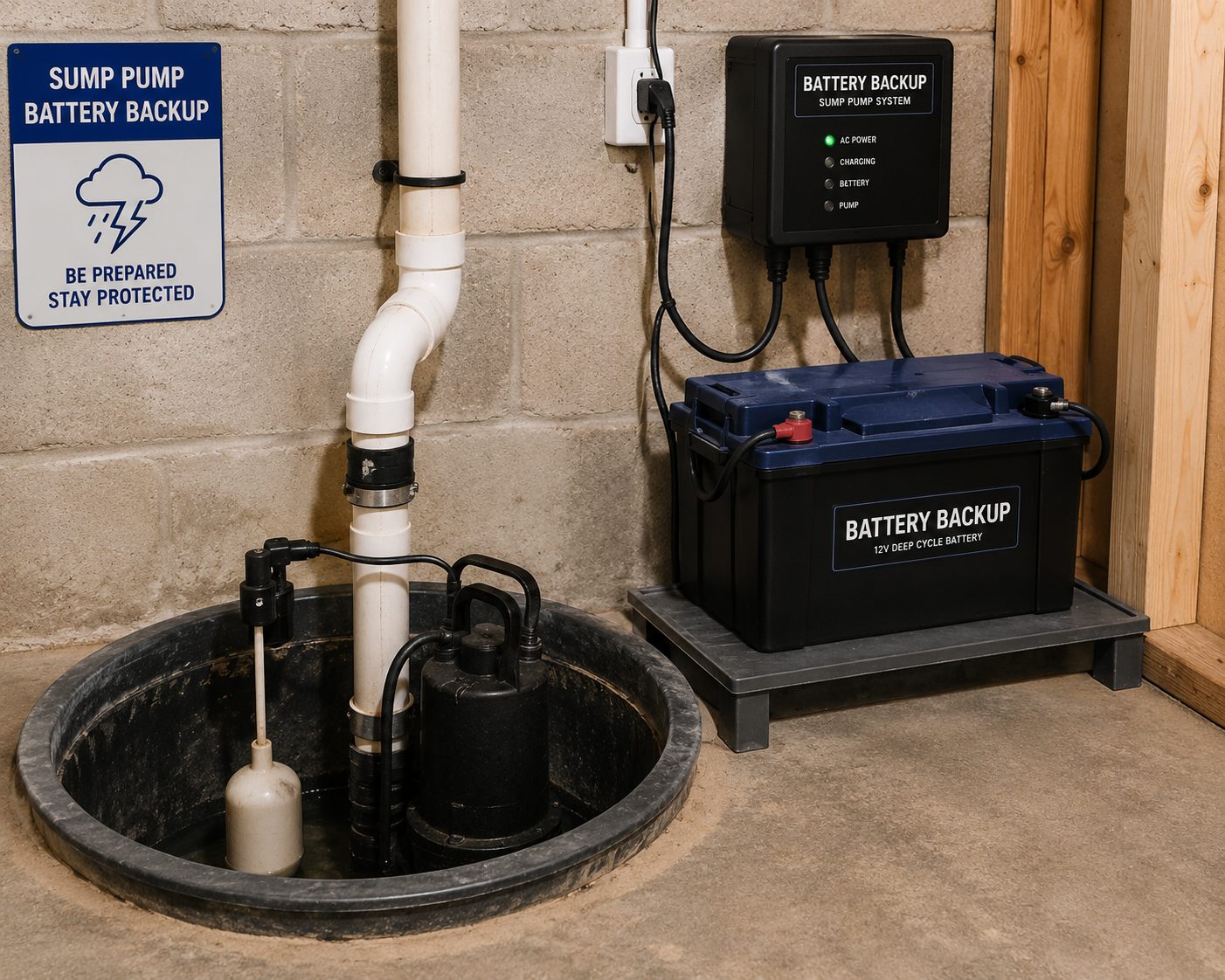
Many homeowners choose to install a battery backup system. If the power goes out, the backup system automatically takes over and continues pumping water from the sump pit.
Most battery backup systems use a deep-cycle battery, similar in size and appearance to a large car battery. These batteries are designed to provide power over an extended period and are typically installed in a protective case next to the sump pit. Some newer systems use AGM or lithium batteries, which may require less maintenance but often come at a higher cost.
A battery backup provides protection even when no one is home to hear an alarm or start a generator. For many homeowners, it offers valuable peace of mind during major storms, vacations, or unexpected power outages.
It’s important to understand, however, that a battery backup is not a guarantee against flooding. If the power outage lasts longer than the battery’s capacity, if the battery has not been properly maintained, or if water enters the sump pit faster than the pump can remove it, water intrusion may still occur.
Even with those limitations, many homeowners consider a battery backup to be one of the most practical and cost-effective ways to reduce the risk of basement water damage during severe weather.
Consider a Generator
Some homeowners go a step further and use a portable or standby generator to keep critical systems operating during a power outage. Depending on the setup, a generator can provide power not only to the sump pump, but also to refrigerators, heating systems, and other essential household equipment.
Is a Battery Backup Worth It?
The answer depends on your home, your risk tolerance, and how frequently your sump pump operates.
If your basement rarely sees water and the pump almost never runs, a battery backup may not be a high priority.
On the other hand, if your sump pump runs regularly during heavy rain, a battery backup may be one of the most cost-effective ways to reduce the risk of water damage.
Many homeowners spend thousands of dollars finishing a basement but never consider what might happen if the power goes out during a major storm.
A Simple Checkup Before Storm Season
If your home has a sump pump, consider asking yourself a few questions:
Is the sump pump operating properly?
How old is the pump?
Does it have a backup power source?
Is there an alarm system?
Have the discharge lines been inspected recently?
A little preventative maintenance today may help avoid a much larger headache later.
Final Thoughts
As a real estate professional, I often see buyers become concerned when they learn that a home has experienced a past basement water issue. In many cases, the cause is not a chronic drainage problem or a defective foundation—it may simply be that the sump pump could not operate during a power outage.
Every home is different, and homeowners should consult qualified contractors regarding the best solution for their specific situation. However, understanding how your sump pump works, what happens when the power goes out, and what backup options are available can help you make informed decisions about protecting your home.
No system can completely eliminate the risk of water intrusion, but a well-maintained sump pump system with appropriate backup protection can significantly reduce it.
The next big storm may be months away—or it may arrive tomorrow. The best time to find out whether your sump pump is ready is before you need it.
Mary Churchill is a full-time Realtor serving buyers and sellers throughout Central New Jersey. If you have questions about a home’s basement, drainage, flood history, or other property conditions, feel free to reach out.
If you’re buying or selling a home in New Jersey for the first time, or if it has been a while since your last move, you may hear the term “Attorney Review” and wonder what it means.
The good news is that Attorney Review is a normal part of most residential real estate transactions in New Jersey. Once you understand the process, it is much less intimidating than it sounds.
What Is Attorney Review?
In New Jersey, once a buyer and seller both sign a contract, the transaction enters a period called Attorney Review.
During this time, the buyer’s attorney and seller’s attorney have an opportunity to review the contract, explain it to their clients, and suggest changes if necessary.
Although hiring an attorney is not required, most buyers and sellers choose to do so because the contract is a legally binding document that affects their rights, obligations, and financial interests.
How Long Does Attorney Review Last?
The Attorney Review period is typically three business days.
The clock starts when the fully signed contract is delivered to both parties.
Saturdays, Sundays, and legal holidays do not count.
The attorneys can agree to extend the review period if additional time is needed.
What Happens During Attorney Review?
This is the part that often surprises first-time buyers.
The attorneys will usually send a letter stating that they “disapprove” of the contract.
That sounds alarming, but it is completely normal.
In most cases, the attorney is not trying to cancel the transaction. Instead, the attorney is preserving the client’s rights while requesting changes or clarifications to the contract.
The attorneys then communicate with each other—usually by email and sometimes by phone—to negotiate any requested changes.
Once all parties agree, the attorneys will confirm that Attorney Review has concluded.
When Does the Contract Become Binding?
The contract becomes binding when Attorney Review is concluded.
At that point, the buyer and seller are committed to moving forward under the terms of the agreement.
After Attorney Review is completed, the buyer typically:
Makes the contract deposit
Schedules home inspections
Applies for or continues the mortgage process
Works toward obtaining a mortgage commitment
The transaction then moves into the inspection, financing, and closing phases.
Do I Need an Attorney?
No. New Jersey law does not require buyers or sellers to hire an attorney.
However, most people do.
An attorney can explain the contract, answer questions, negotiate changes, review legal documents, and help resolve issues that may arise during the transaction.
Many buyers and sellers find comfort in knowing they have a professional looking out for their interests throughout the process.
One Important Risk to Understand
During Attorney Review, the contract is not yet binding.
That means another buyer could submit an offer to the seller.
In a competitive market, a seller may decide to pursue a stronger offer if one becomes available.
While this does not happen often, it is one reason why buyers, sellers, agents, and attorneys generally prefer to move through Attorney Review efficiently.
The sooner Attorney Review is concluded, the sooner the parties have a binding agreement and can move forward with confidence.
The Bottom Line
Attorney Review is not something to fear.
Think of it as a short window that gives buyers and sellers an opportunity to have a legal professional review the contract, answer questions, and make sure everyone understands the agreement before it becomes fully binding.
If you’re buying or selling a home and have questions about Attorney Review or any part of the process, I’m always happy to help explain what to expect.
One of the questions I am frequently asked by home buyers is about buying a home near – or in view of – high-tension power lines. Some buyers are OK with it – and some are not. My role is not to tell you what to think – it’s to help you understand the consideration so you can make the best decision for you.
When evaluating a home near power lines, buyers typically think about factors such as appearance, personal comfort level, future resale value, and overall value. There is no one-size-fits-all answer because every buyer has different priorities.
What Buyers Notice – The visual appearance of the towers and wires, the distance from the home, whether the lines can be seen from the backyard, windows, or living areas, and the impact on the overall enjoyment of the property.
Why Some Buyers Are Comfortable – The home may offer good value compared to other properties. The location, schools, floor plan, or condition of the home may outweigh the concern. Some buyers do not find the presence of power lines objectionable.
Why Some Buyers Avoid Them – Concern about appearance, desire for a different setting or view, concerns about future resale and marketability or personal comfort level.
Questions Buyers Should Ask Themselves – Does the location bother me today? Am I comfortable with the view? — and most importantly — How might future buyers react when I eventually sell? Will there be a smaller buyer pool or a discount when selling?
My Advice – Every buyer has different priorities. What matters most is whether the property meets your needs and whether you feel comfortable with the location. A home purchase is a financial and a personal decision – and your comfort level is an important factor.
Conclusion – There i no single answer that fits every buyer. The key is understanding the trade-offs and making an informed decision with your own priorities and goals.
My value is in helping your evaluate the property, understand how the market may view it and provide information you need to make the right decision for you and your family.


 Facebook
 X
X
 Pinterest
 Copy Link