 Facebook
 X
X
 Pinterest
 Copy Link
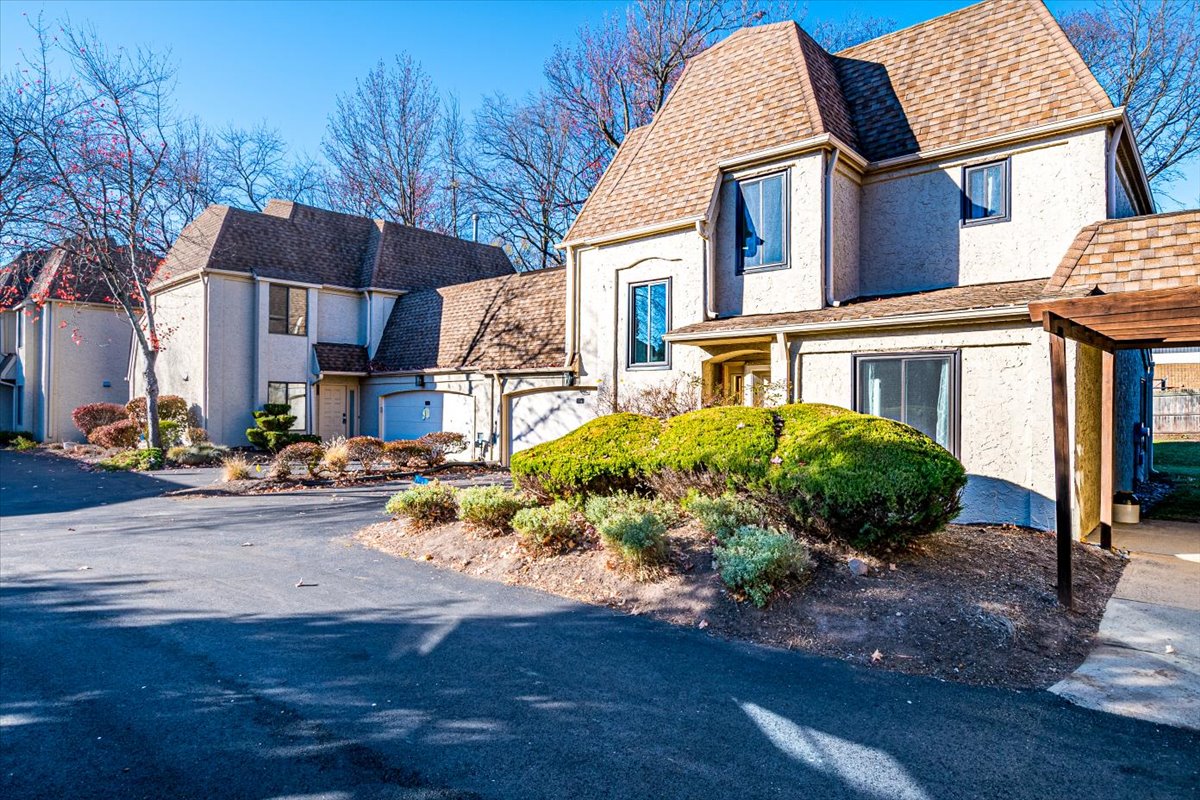
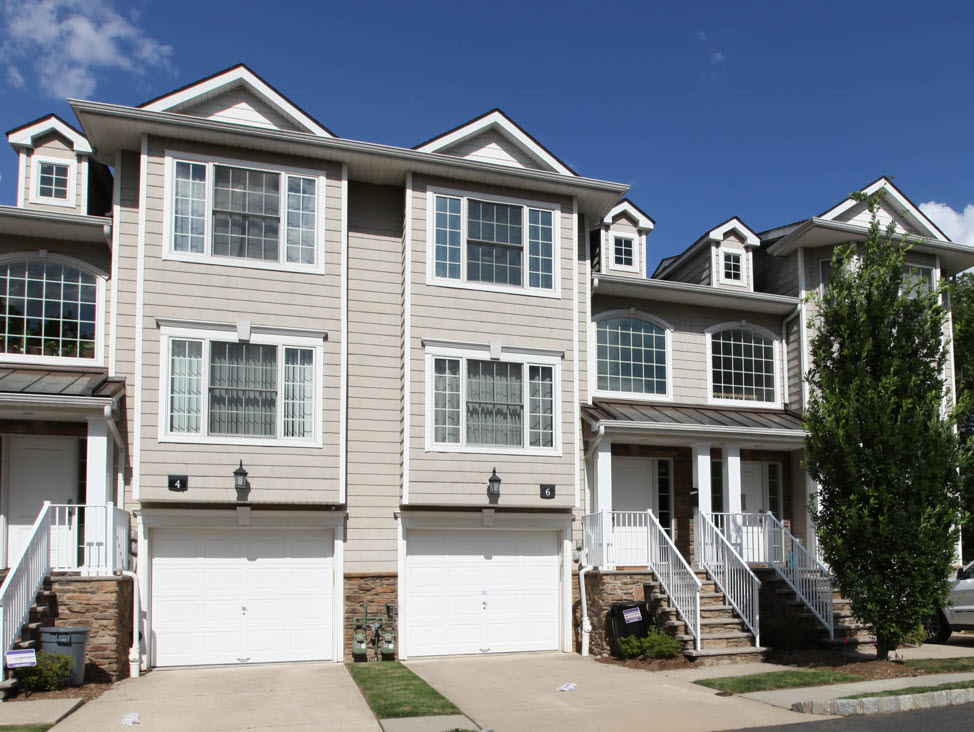
If you’re shopping for a condominium, you may come across the term “non-warrantable condo.”
The phrase sounds technical and intimidating, but the basic idea is actually quite simple.
A non-warrantable condo is a condominium community that does not meet certain requirements used by many traditional mortgage lenders.
The key point is that the issue is usually not the individual condo unit. Instead, it relates to the condominium association, the building, or the community as a whole.
Why Does It Matter?
When a condo is considered non-warrantable, some lenders may be unwilling to provide a conventional mortgage for buyers in that community.
As a result:
Financing options may be more limited.
Buyers may need a larger down payment.
Interest rates may be higher.
The approval process may take longer.
Future buyers could face similar financing challenges when it comes time to sell.
A Simple Example
Imagine two nearly identical condos listed at the same price.
Condo A is located in a community that meets all lender requirements.
Condo B is located in a community where the condominium association has financial, insurance, legal, or maintenance concerns.
Many lenders may have no issue financing Condo A, while some may decline financing Condo B.
The condo itself may be in excellent condition. The difference is how lenders view the condominium community and the association that manages it.
What Makes a Condo Non-Warrantable?
There are a variety of reasons a condominium community may be considered non-warrantable. Common examples include:
Inadequate reserve funds for future repairs
Insurance issues
Significant deferred maintenance
Ongoing litigation involving the association
Financial concerns within the association
Historically, a high percentage of investor-owned units was also a common factor, although recent lending guideline changes have reduced the importance of that issue in many communities.
Should You Avoid a Non-Warrantable Condo?
Not necessarily.
Some non-warrantable condos are attractive properties in desirable locations and may be perfectly suitable for many buyers.
However, it is important to understand that financing may be more challenging, and that could affect both your purchase and your future resale options.
Before purchasing any condominium, it’s wise to speak with your lender early in the process and confirm that financing is available for the specific community.
The Bottom Line
A non-warrantable condo doesn’t automatically mean there is something wrong with the property.
It simply means the condominium community does not meet certain lending guidelines used by many traditional mortgage programs.
Understanding that distinction can help you make a more informed decision and avoid surprises during the mortgage approval process.
Thinking about buying a condo? Before making an offer, make sure you understand not only the unit itself, but also the condominium community and its financing eligibility.
Mary Churchill is a full-time Realtor serving buyers and sellers throughout Central New Jersey. If you have questions about purchasing a condo, feel free to reach out. 908-930-4800 or mary.churchill@cbrealty.com